Base64 Encoder: Complete Guide to Text and Data Encoding
Created on 20 November, 2025 • Converter Tools • 19 views • 9 minutes read
Base64 Encoder technology remains a cornerstone of modern data communication, enabling seamless transmission of binary data through text-based channels across diverse computing platforms.
Understanding Base64 Encoder Technology
A Base64 Encoder is a fundamental data encoding tool that converts binary data into ASCII text format using a specific set of 64 printable characters, enabling safe transmission of complex data through text-based systems. This encoding method transforms any type of data, including images, documents, and executable files, into a string of readable characters consisting of uppercase letters, lowercase letters, numbers, and two additional symbols. Base64 encoding has become an essential technology in modern computing, facilitating data transfer across various platforms and protocols that may not support raw binary data transmission.
The importance of Base64 Encoder tools extends throughout web development, email systems, data storage, and API communications where binary data must traverse text-only channels. Web developers regularly use Base64 encoding to embed images directly into HTML or CSS files, eliminating additional HTTP requests and improving page load performance. Email systems employ Base64 encoding to attach files and multimedia content that must pass through servers with varying character set support. Database administrators utilize Base64 encoding to store binary data in text fields when binary storage options are unavailable or impractical.
How Base64 Encoder Works
The Encoding Process and Algorithm
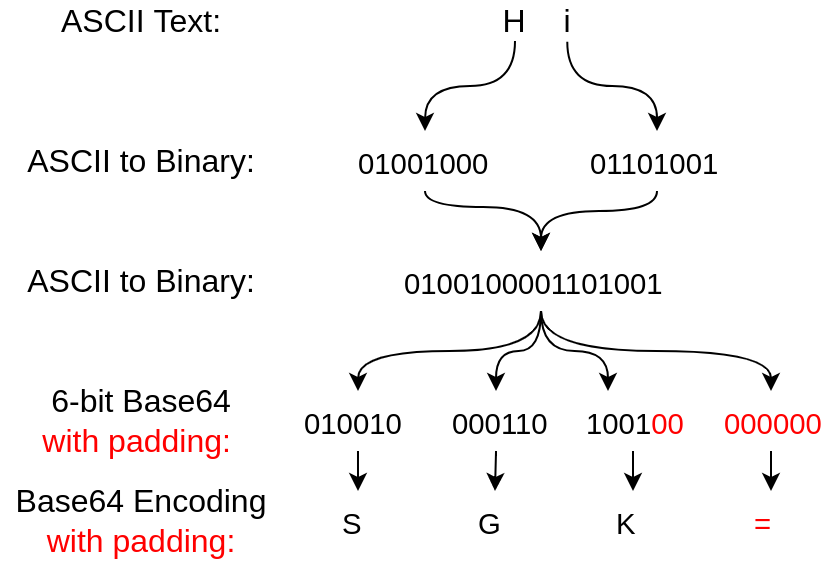
Base64 Encoder operates through a systematic algorithm that processes input data in groups of three bytes, converting each 24-bit group into four 6-bit values. The encoding process begins by reading the input data as a stream of binary digits, regardless of the original file format or content type. Each group of three bytes equals 24 bits, which the encoder divides into four sections of 6 bits each, with each 6-bit value mapping to a specific character in the Base64 alphabet.
The Base64 alphabet consists of 64 characters: A-Z (26 characters), a-z (26 characters), 0-9 (10 characters), and typically + and / as the final two characters. When the input data doesn't divide evenly into three-byte groups, the encoder adds padding using the = character to maintain proper alignment. This padding ensures that the encoded output always has a length that's a multiple of four characters, preserving data integrity during the encoding and decoding process.
Character Mapping and Conversion Table
The Base64 encoding table assigns each possible 6-bit value (0-63) to a specific ASCII character, creating a standardized mapping system recognized universally. Values 0-25 map to uppercase letters A-Z, values 26-51 correspond to lowercase letters a-z, values 52-61 represent digits 0-9, and values 62-63 typically use + and / symbols. This mapping system ensures that encoded data remains portable across different systems, platforms, and transmission protocols without corruption or modification.
The conversion process handles special cases and edge scenarios through well-defined rules that maintain consistency across different Base64 Encoder implementations. When encoding text data, the encoder first converts the text to its binary representation using the appropriate character encoding, typically UTF-8. Binary data such as images or documents bypasses this initial conversion step, proceeding directly to the byte grouping and mapping process.
Types and Variants of Base64 Encoding
Standard Base64 Encoding
Standard Base64 encoding follows the specifications outlined in RFC 4648, providing the most widely recognized and supported encoding format across applications and platforms. This variant uses the standard 64-character alphabet with + and / as the additional characters beyond alphanumeric symbols. Standard Base64 finds extensive use in email attachments through MIME encoding, XML data embedding, and JSON data transmission where binary content must be represented as text.
The standard variant includes padding characters to ensure output length consistency, though some applications may omit padding when the encoded length is predetermined. Line length limitations in standard Base64 often restrict output to 76 characters per line, particularly in email applications following MIME specifications. This line wrapping ensures compatibility with legacy systems and protocols that impose line length restrictions on transmitted data.
URL-Safe Base64 Encoding
URL-safe Base64 encoding, also known as Base64url, modifies the standard alphabet to eliminate characters that have special meaning in URLs and file systems. This variant replaces the + character with - (minus) and the / character with _ (underscore), ensuring encoded strings can be safely used in URLs without requiring additional percent-encoding. URL-safe encoding proves essential for web applications, JWT tokens, and RESTful APIs where encoded data appears in URL parameters or paths.
Many modern web frameworks and programming languages provide built-in support for URL-safe Base64 encoding, recognizing its importance in web development. The variant typically omits padding characters since they can cause issues in URL contexts, though implementations may vary in their padding handling. URL-safe Base64 maintains the same encoding efficiency as standard Base64 while ensuring compatibility with web technologies and URL parsing mechanisms.
Practical Applications of Base64 Encoder
Web Development and Data URIs
Web developers extensively utilize Base64 Encoder tools to create Data URIs that embed resources directly within HTML, CSS, or JavaScript code. This technique allows small images, fonts, and other assets to be included inline rather than requiring separate HTTP requests. The encoded data appears directly in src attributes for images or url() functions in CSS, reducing server requests and potentially improving page load times for small resources.
Modern build tools and bundlers often automatically encode small assets as Base64 strings during the compilation process, optimizing delivery of critical resources. Single-page applications benefit from Base64 encoding when dynamically generating downloadable content without server involvement. Canvas elements in HTML5 can export their content as Base64-encoded images, enabling client-side image manipulation and saving without server processing.
Email Attachments and MIME Encoding
Email systems rely heavily on Base64 encoding to transmit binary attachments through protocols designed primarily for text content. The Multipurpose Internet Mail Extensions (MIME) standard specifies Base64 as the primary encoding method for non-text email attachments. This encoding ensures that images, documents, and other binary files remain intact when passing through various email servers with different character encoding support.
Email clients automatically encode attachments using Base64 before transmission and decode them upon receipt, making the process transparent to users. The encoding adds approximately 33% overhead to the original file size, but this trade-off ensures reliable delivery across diverse email infrastructure. Modern email systems may use Base64 encoding for the entire message body when it contains special characters or formatting that might not survive transmission in plain text format.
Security Considerations and Limitations
Base64 is Not Encryption
A critical understanding about Base64 Encoder tools is that encoding is not encryption and provides no security or confidentiality for the encoded data. Base64 encoding is a reversible transformation that anyone can decode without requiring keys or passwords. The primary purpose of Base64 encoding is data representation and transmission compatibility, not data protection or privacy.
Security-conscious applications should never rely on Base64 encoding alone to protect sensitive information from unauthorized access. When security is required, data should be encrypted using proper cryptographic methods before applying Base64 encoding for transmission. Many security breaches result from developers mistakenly believing that Base64 encoding provides security, leading to exposed credentials or sensitive data in supposedly "encoded" configuration files.
Performance and Size Considerations
Base64 encoding increases data size by approximately 33%, as every three bytes of input become four bytes of output. This expansion can impact performance and bandwidth usage, particularly when encoding large files or transmitting data over limited connections. Applications must consider this overhead when deciding whether to use Base64 encoding, especially for large binary files or high-throughput scenarios.
Processing overhead for encoding and decoding operations can affect application performance, though modern processors handle Base64 operations efficiently. Memory usage during encoding operations may spike for large files, as some implementations load entire inputs into memory before processing. Streaming Base64 encoders provide better memory efficiency for large files by processing data in chunks rather than loading everything at once.
Best Practices for Using Base64 Encoder
Choosing the Right Implementation
Selecting appropriate Base64 Encoder implementations depends on specific use cases, performance requirements, and platform constraints. Native language implementations typically offer the best performance, while third-party libraries might provide additional features or better cross-platform compatibility. Server-side encoding generally handles large files better than client-side JavaScript implementations, which may struggle with memory limitations in browsers.
Modern programming languages provide built-in Base64 encoding functions that are well-tested and optimized for performance. Custom implementations should be avoided unless specific requirements cannot be met by standard libraries, as they may introduce bugs or security vulnerabilities. When working with international text, ensure the Base64 Encoder properly handles character encoding, typically using UTF-8 as the intermediate representation.
Optimization Strategies
Optimizing Base64 encoding operations involves considering when and where encoding occurs in application workflows. Caching encoded versions of frequently used resources prevents redundant encoding operations and improves application performance. Lazy encoding delays the encoding process until actually needed, reducing unnecessary processing for data that might not be transmitted.
Batch processing multiple small items together can be more efficient than encoding them individually, particularly in web applications generating multiple Data URIs. Compression before encoding can offset the size increase from Base64 encoding, especially for text-based data with high redundancy. Asynchronous encoding operations prevent blocking main application threads, maintaining responsive user interfaces during large encoding tasks.
Tools and Implementation Resources
Online Base64 Encoder Tools
Numerous web-based Base64 Encoder tools provide quick encoding and decoding capabilities without requiring software installation. These online tools offer user-friendly interfaces for pasting text or uploading files for immediate encoding. Advanced online encoders support various Base64 variants, character encodings, and output formatting options to meet different requirements.
Browser developer tools often include built-in Base64 encoding functions accessible through the console, useful for quick encoding during development. Online tools should be used cautiously with sensitive data, as uploaded content may be logged or stored by service providers. For production use, self-hosted or locally running Base64 Encoder tools provide better security and privacy guarantees.
Programming Language Libraries
Every major programming language provides Base64 encoding support through standard libraries or popular third-party packages. Python includes the base64 module in its standard library, offering multiple encoding variants and streaming support. JavaScript provides atob() and btoa() functions for browser-based encoding, while Node.js offers the Buffer class with Base64 methods.
Java includes Base64 support in the java.util package, with separate encoders for standard and URL-safe variants. .NET frameworks provide the Convert.ToBase64String() method and related functions for comprehensive Base64 operations. PHP offers base64_encode() and base64_decode() functions as built-in features, widely used in web applications.
Future Developments and Alternatives
Emerging Encoding Standards
While Base64 remains the dominant encoding standard, alternative encoding schemes continue to emerge for specific use cases. Base32 encoding uses a smaller alphabet, providing better human readability at the cost of increased output size. Base85 encoding achieves better space efficiency than Base64 by using a larger character set, though with reduced compatibility across systems.
Binary-to-text encoding schemes optimized for specific data types or transmission channels may supplement Base64 in specialized applications. Quantum-resistant encoding methods may emerge as quantum computing advances, though Base64's simplicity ensures its continued relevance. Machine learning applications might develop context-aware encoding schemes that adapt to data characteristics for optimal efficiency.
Conclusion
Base64 Encoder technology remains a cornerstone of modern data communication, enabling seamless transmission of binary data through text-based channels across diverse computing platforms. Understanding the principles, applications, and limitations of Base64 encoding empowers developers to make informed decisions about when and how to implement this essential technology. From embedding images in web pages to transmitting files through email systems, Base64 encoding solves critical compatibility challenges in our interconnected digital infrastructure.
As data transmission requirements continue evolving with new technologies and platforms, Base64 encoding adapts and persists due to its simplicity, universality, and proven reliability. Whether you're a web developer optimizing resource delivery, a system administrator managing data integration, or a software engineer building robust applications, mastering Base64 Encoder tools and techniques remains valuable for effective data handling. The continued standardization and optimization of Base64 implementations ensure this fundamental encoding method will remain relevant for years to come, serving as a bridge between binary data and text-based systems in our increasingly connected world.